Loneliness in rural areas
Loneliness in rural areas: why it happens and what can help.
Rural loneliness tends to be invisible. The cultural image of rural life is community, neighbors who know each other, village life, rootedness in place. The reality for many rural residents is significant isolation, compounded by distance, limited transport, and the assumption that country people are fine.
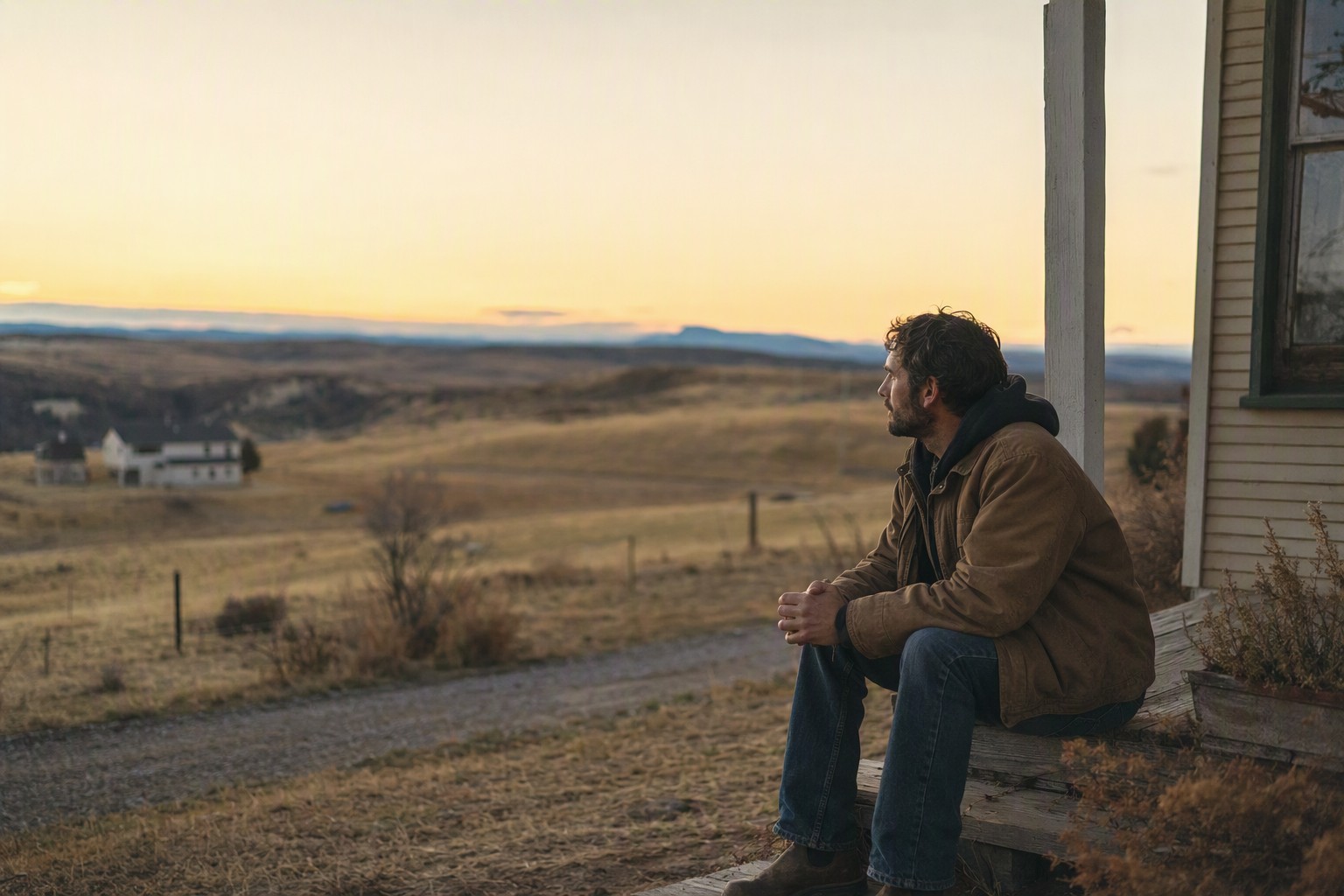
Rural loneliness does not always mean living completely alone.
You can have neighbors, family nearby, and people you know, but still have very little meaningful contact.
It can look like:
- Going several days without a real conversation.
- Having nobody nearby to meet spontaneously.
- Seeing the same people but not feeling close to them.
- Staying home because getting anywhere takes too much time.
- Losing regular contact with friends or family who moved away.
Rural life can feel lonely when there may be fewer places to meet people, fewer people your age, limited public transport, and long drives between homes.
Friends or family may also move away for work or education.
Even knowing your neighbors does not always mean having someone you can call when you need to talk.
You might want to talk but know that meeting someone means driving for an hour.
You might have friendly neighbors but nobody you would call when something is bothering you. You may spend most days working, studying, or taking care of things without having a conversation that goes beyond everyday life.
The idea that rural life means community, everyone knowing everyone, neighbors helping each other, the village as social unit, has a basis in history and persists in cultural imagination.
The reality is more complicated.
Many rural areas have experienced significant social fragmentation. The institutions that held communities together, local pubs, post offices, churches, markets, have closed or contracted. Young people have left. Incomers may not integrate into existing community life. The result can be scattered households with less genuine community than urban areas assume they have.
The people most likely to be isolated are least likely to have access to the services that could address it.
The highest loneliness risk in rural areas falls on older people who have lost spouses, who can no longer drive, whose peers have died or moved, and who may have health conditions limiting mobility. For this group, distance becomes an insurmountable barrier: the social world available is exactly as large as their transport radius.
This is a growing problem as rural populations age and rural services contract.
Rural loneliness has seasons in a way urban loneliness doesn't.
Winter months, shorter days, poor weather, difficult driving conditions, can effectively confine rural residents to their homes for extended periods. For someone already at the edge of their social world, this can mean weeks of very limited contact.
This seasonality is specific to rural environments and rarely discussed in general loneliness literature.
Start with options that fit your actual location.
- Join a local club, sports group, class, or community activity.
- Volunteer somewhere you can return to regularly.
- Attend the same local event more than once so people start to recognize you.
- Join online groups based on an interest you already have.
- Keep regular calls with friends or family who live farther away.
- Try a voice conversation when you want to talk to someone but nobody nearby is available.
The important part is regular contact. Seeing or talking to the same people regularly gives a relationship room to grow.
Technology addresses the distance barrier more than any other intervention.
Video and voice calls maintain contact that geography would otherwise prevent. Online communities provide social engagement for people who can't easily travel.
Mindfuse works wherever there's a mobile connection, which makes it available in rural areas where leaving the house is difficult. A real voice, a real conversation, without the distance barrier. Not a solution to rural isolation, but meaningful contact when the alternative is silence.
Frequently asked questions about rural loneliness
Why do I feel lonely even though I live in a close-knit rural community?
Knowing people in your area does not always mean having close relationships. You can have friendly neighbors and still lack someone you feel comfortable calling or talking to about personal things.
Why is loneliness common in rural areas?
Long distances, limited transport, fewer social places, smaller populations, and people moving away can make regular social contact harder.
How can I meet people when I live in a rural area?
Start with recurring local activities, volunteering, clubs, community events, and online groups. Regular contact is more useful than attending one event once.
How do you deal with loneliness when you live far from everyone?
Keep regular contact with people you already know and create new social opportunities through local groups or online communities. Voice and video calls can also help when meeting in person is difficult.
Can you be lonely even if you know your neighbors?
Yes. Loneliness is about the quality of your connection, not simply the number of people around you. You can know many people and still feel that nobody really knows you.
What can older people in rural areas do when they feel lonely?
Regular phone calls, local groups, volunteering, community activities, and accessible online or voice conversations can create more opportunities for social contact. If getting around is difficult, choose options that do not require frequent travel.
Miles from anyone. One tap from a real conversation.
Mindfuse: anonymous voice calls with real people. Two weeks free, then 3 free conversations every week. Upgrade in the app for unlimited.